
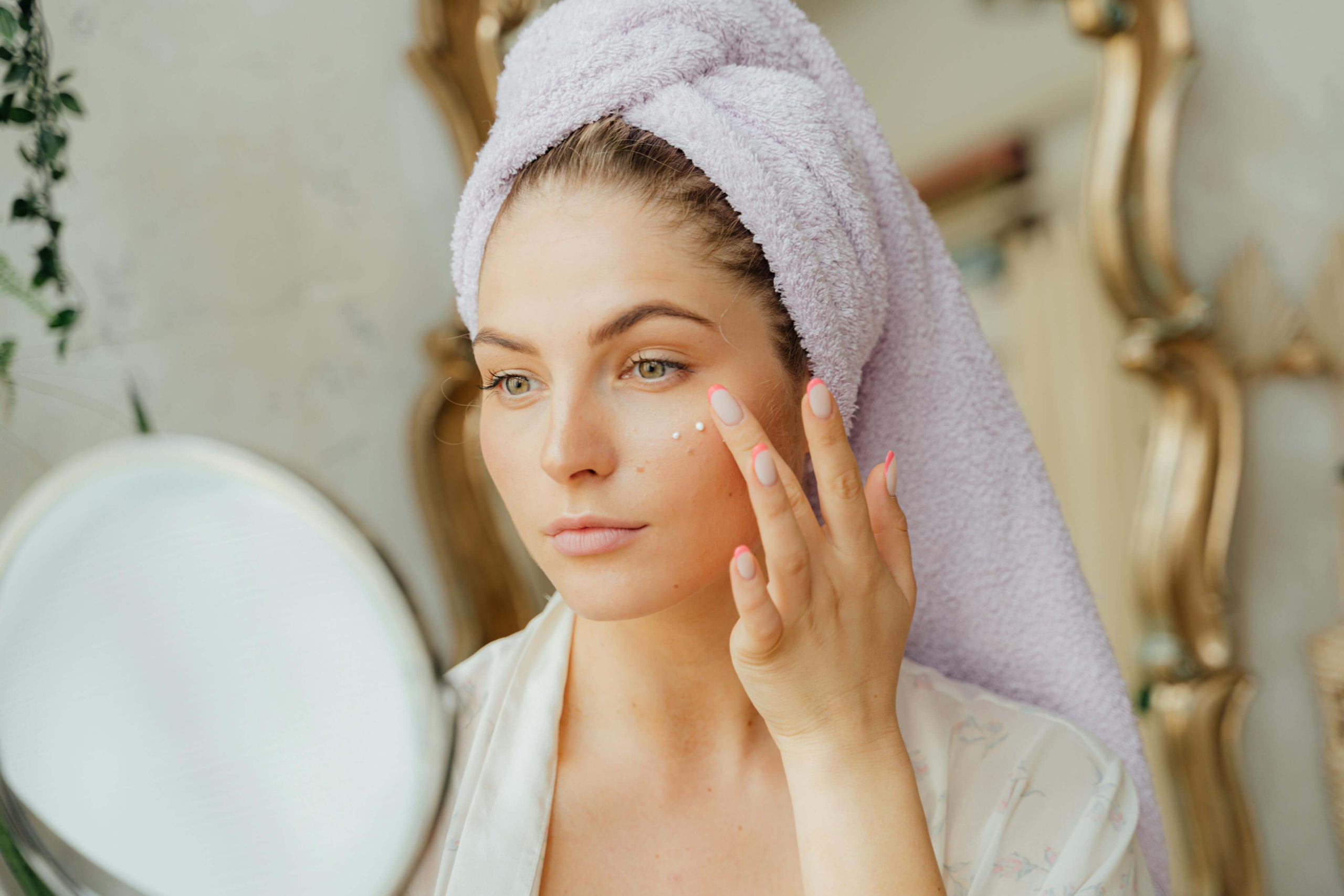
The modern skincare movement has moved well beyond simply treating surface-level dryness or chasing fleeting radiance. After learning to respect the delicate lipid matrix of the skin barrier, the beauty and dermatological spaces are setting their sights on an even more sophisticated frontier: the cutaneous microbiome.
Your face is home to trillions of resident microorganisms—bacteria, fungi, and microflora—forming a living ecosystem that actively dictates your skin’s health, inflammation levels, and resilience against environmental aging.
Cultivating a Thriving Ecosystem
For years, standard antibacterial cleansers and harsh alcohol toners operated like a scorched-earth policy, wiping out both harmful pathogens and the beneficial bacteria required for optimal skin function. The result was a disrupted microbiome, leaving skin vulnerable to chronic conditions like adult acne, rosacea, and severe sensitivity.
- The Power of Postbiotics: Rather than applying live, unstable probiotic bacteria topically (which struggle to survive in conventional cosmetic formulas), modern science focuses on postbiotics. These are the beneficial metabolic byproducts—such as peptides, organic acids, and lysates—left behind by fermentation. They signal your natural skin flora to thrive and strengthen local immune defenses instantly.
- Bio-Fermentation Technology: Fermenting key botanical and mineral ingredients breaks large molecular structures down into micro-molecules. This natural breakdown allows active compounds to penetrate deeper layers of the epidermis with virtually zero irritation while simultaneously balancing the skin’s natural pH.
Building a Microbiome-Friendly Regimen
Transitioning to microbiome-conscious care relies on nourishing the skin rather than trying to sterilize it:
- Ditch High-Surfactant Stripping: Replace foaming cleansers that leave skin squeaky-clean with milky, lipid-rich cleansing emulsions that leave the protective microbial layer intact.
- Incorporate Fermented Essences: Layer lightweight, fermented botanical waters packed with amino acids and beta-glucan right after cleansing to prep the skin to better absorb subsequent treatments.
- Prioritize Pre- and Postbiotic Creams: Finish with a moisturizer explicitly formulated to feed your resident microflora, turning your daily routine into a supportive habitat rather than a chemical battlefield.
