
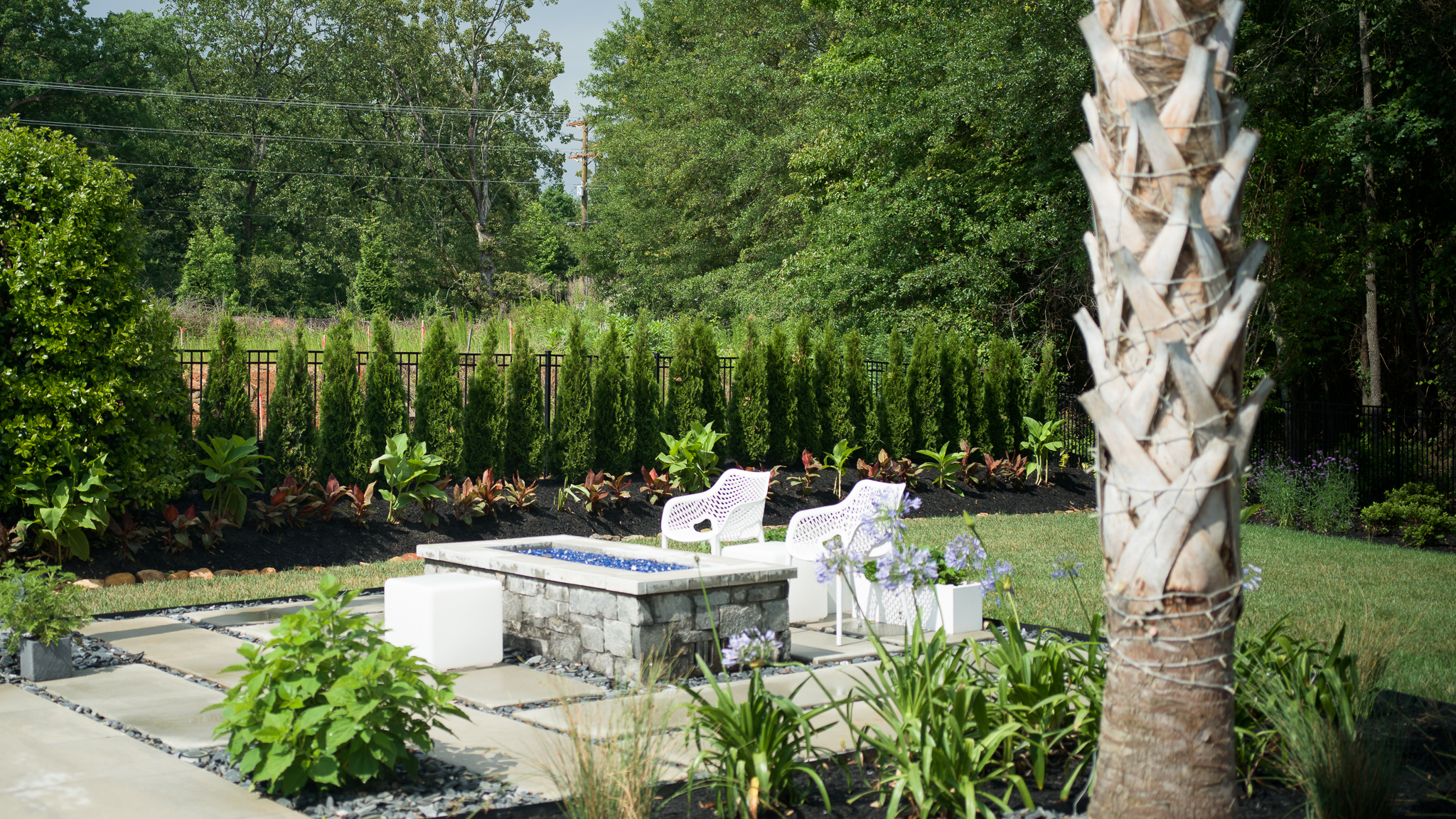
Landscaping continues to evolve as homeowners, designers, and urban planners embrace sustainability, technology, and creativity. In 2026, landscaping trends emphasize eco-friendliness, functionality, and aesthetic innovation. Whether you have a small yard, rooftop garden, or expansive property, understanding these trends can help you create a modern outdoor space that is both stylish and practical.
1. Sustainable Landscaping Takes Center Stage
Eco-friendly landscaping is no longer a niche; it is becoming the standard. Homeowners are increasingly incorporating drought-tolerant plants, native species, and water-efficient irrigation systems into their landscapes. Techniques like xeriscaping, rain gardens, and permeable paving are popular because they reduce environmental impact while maintaining visual appeal.
Composting organic waste and using natural fertilizers are also part of the sustainability trend. These practices enrich soil health, reduce chemical use, and promote biodiversity, supporting local pollinators like bees and butterflies.
2. Smart Landscaping Technology
Technology is reshaping the way we design and maintain landscapes. Smart irrigation systems, weather sensors, and app-controlled watering schedules help conserve water and optimize plant health. Drones and landscape design software allow homeowners to visualize changes before making costly modifications.
Outdoor lighting systems integrated with smart controls offer energy efficiency and safety while highlighting key features of the landscape at night. From motion-sensor lights to automated color-changing LEDs, modern lighting adds both function and ambiance.
3. Outdoor Living Spaces Become Essential
Landscaping in 2026 focuses heavily on creating usable outdoor living areas. Patios, decks, pergolas, fire pits, and outdoor kitchens transform yards into extensions of indoor living space. These areas are designed for entertaining, relaxing, or even working outdoors, blending functionality with beauty.
Flexible, modular furniture, retractable shading systems, and weather-resistant materials are trending in modern landscaping, making outdoor spaces comfortable year-round.
4. Vertical and Compact Landscaping Solutions
As urban living spaces shrink, vertical landscaping and container gardening are growing in popularity. Living walls, trellises, and hanging planters allow city dwellers to maximize greenery without occupying valuable floor space. These solutions are ideal for balconies, courtyards, and rooftops.
Compact, slow-growing plants, including dwarf trees and shrubs, are also trending, providing greenery without overwhelming small areas. Edible plants, herbs, and micro-gardens offer both aesthetic and practical benefits.
5. Minimalism and Natural Aesthetics
Modern landscaping favors clean lines, simplicity, and natural textures. Minimalist designs focus on fewer, high-quality elements rather than overcrowded plantings. Natural materials like stone, wood, and bamboo are used to create pathways, seating areas, and borders that blend harmoniously with the environment.
Water features, such as small ponds or flowing fountains, add a calming element without dominating the space. The goal is to create balance and serenity while maintaining low maintenance requirements.
6. Climate-Resilient Landscaping
With climate change impacting weather patterns, landscapes in 2026 are designed to withstand extreme conditions. Heat-resistant, drought-tolerant, and wind-resistant plants are in high demand. Rainwater harvesting, mulching, and proper soil management are also essential to create resilient landscapes.
Benefits of Modern Landscaping
Incorporating these modern techniques offers multiple benefits:
- Environmental Impact: Eco-friendly practices conserve water, reduce chemical use, and support wildlife.
- Aesthetic Appeal: Innovative designs create visually striking and functional outdoor spaces.
- Property Value: Well-designed landscapes increase home appeal and market value.
- Well-Being: Access to thoughtfully designed green spaces reduces stress and encourages outdoor activity.
Conclusion
Landscaping in 2026 combines sustainability, technology, and creativity to transform outdoor spaces into functional, beautiful, and resilient environments. From smart irrigation systems and vertical gardens to minimalist designs and climate-resilient plants, modern landscaping trends offer practical solutions for homeowners while enhancing the visual appeal and value of their property.
By embracing these innovative techniques, you can create a landscape that not only reflects modern design trends but also supports environmental sustainability, enhances well-being, and maximizes the use of your outdoor space. Modern landscaping is no longer just about aesthetics—it’s about creating outdoor environments that are functional, sustainable, and inspiring.
