
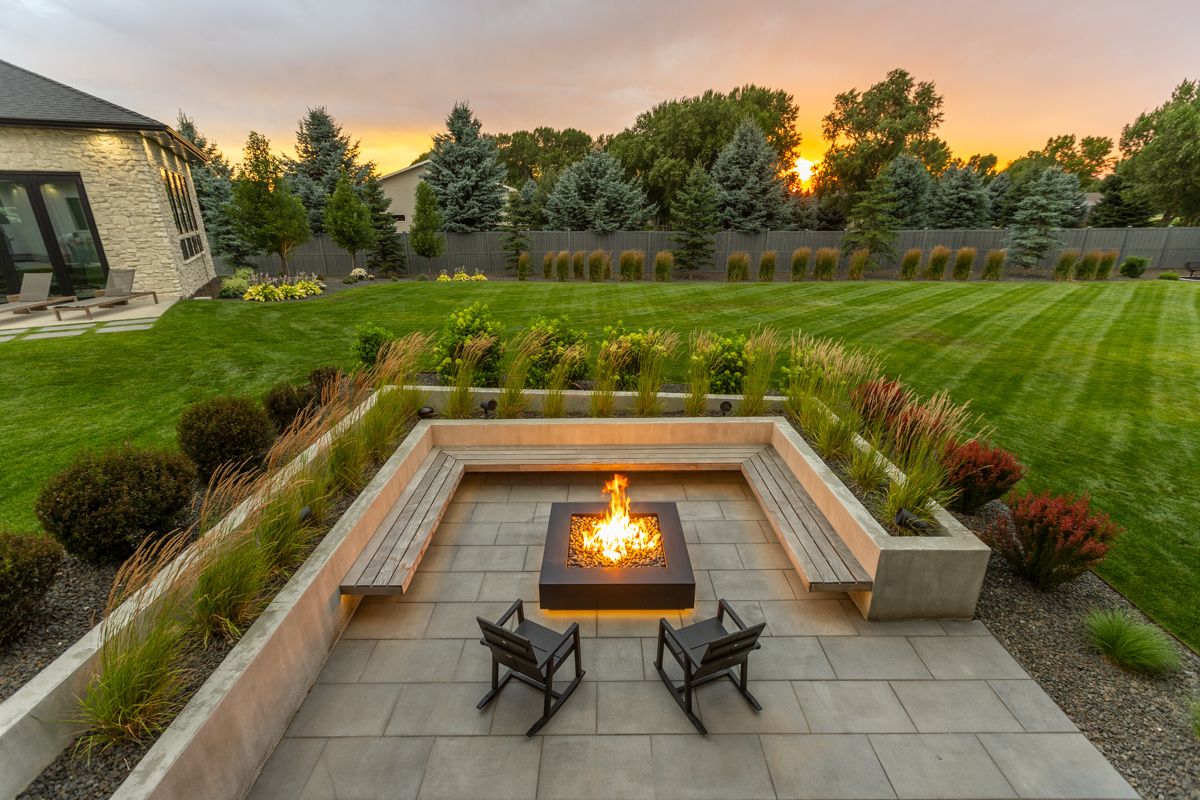
Landscaping is the art and science of designing, building, and maintaining outdoor spaces to make them both beautiful and functional. It involves the careful arrangement of plants, trees, grass, pathways, lighting, and other outdoor features to improve the appearance and usability of residential and commercial properties. Good landscaping not only enhances curb appeal but also increases property value and creates a more enjoyable outdoor environment.For a landscaping company Smith Mountain Lake contact Wingfield Excavating & Landscaping.
One of the main goals of landscaping is to improve the visual appeal of a property. A well-designed landscape can transform an ordinary yard into a welcoming and attractive space. Elements such as flower beds, trimmed hedges, green lawns, and decorative stonework all contribute to a balanced and visually pleasing design. Professional landscaping helps create harmony between natural elements and man-made structures.
Landscaping also plays an important role in increasing property value. Homes with well-maintained outdoor spaces tend to attract more buyers and often sell at higher prices. First impressions matter, and the exterior of a property is the first thing people notice. A clean, organized, and thoughtfully designed landscape can significantly enhance curb appeal and make a property stand out in the market.
There are two main types of landscaping: softscaping and hardscaping. Softscaping refers to the living elements of landscaping, such as grass, flowers, shrubs, and trees. These elements add color, texture, and life to outdoor spaces. Hardscaping, on the other hand, includes non-living features such as patios, walkways, retaining walls, fences, and water features. A successful landscaping design combines both softscaping and hardscaping to create a balanced outdoor environment.
Professional landscaping services often begin with planning and design. This stage involves assessing the property, understanding the client’s needs, and creating a layout that fits the space. Factors such as climate, soil type, sunlight, and drainage are carefully considered to ensure that plants and materials will thrive in the environment. A well-planned landscaping design helps prevent future maintenance issues and ensures long-term success.
Plant selection is another important aspect of landscaping. Choosing the right plants for the climate and soil conditions is essential for maintaining a healthy garden. Native plants are often recommended because they require less water and maintenance while thriving naturally in the local environment. Landscaping professionals also consider seasonal changes to ensure that the outdoor space looks attractive year-round.
Irrigation systems are commonly included in modern landscaping projects. Proper watering is essential for maintaining healthy plants and green lawns. Automated irrigation systems help distribute water efficiently and reduce waste. These systems can be programmed to water specific areas at optimal times, ensuring consistent plant growth while conserving water.
Lighting is another key element of landscaping design. Outdoor lighting enhances safety, highlights architectural features, and creates a welcoming atmosphere during the evening. Pathway lights, garden spotlights, and decorative fixtures can all be used to improve visibility and aesthetic appeal. Proper lighting design adds both beauty and functionality to outdoor spaces.
Regular maintenance is essential for keeping landscaping in good condition. Tasks such as mowing the lawn, trimming plants, removing weeds, and fertilizing soil help maintain a healthy and attractive landscape. Many homeowners choose professional landscaping maintenance services to ensure their outdoor spaces remain well-kept throughout the year.
Sustainable landscaping has become increasingly popular in recent years. This approach focuses on using environmentally friendly practices such as water conservation, organic fertilizers, and native plants. Sustainable landscaping reduces environmental impact while still creating beautiful outdoor spaces. It also helps lower maintenance costs and supports local ecosystems.
In conclusion, landscaping is an important investment that enhances the beauty, functionality, and value of any property. Through thoughtful design, proper plant selection, and regular maintenance, landscaping transforms outdoor areas into inviting and practical spaces. Whether for residential gardens or commercial properties, professional landscaping creates lasting benefits and improves the overall outdoor experience.
